When it comes to cutting materials effectively, having the right tools is crucial. The Hyper Tough Saw Saw is a versatile option for various projects. Using this tool efficiently can significantly improve your cutting technique and outcomes.
Many users struggle to harness its full potential. Techniques that seem simple may not yield the best results. Aiming for precision and control is vital, as poor handling can lead to frustrating results. The Hyper Tough Saw Saw requires practice to master. Every cut should be an opportunity to refine your approach.
Pay attention to how you hold the saw. The right grip can enhance stability. Moreover, be aware of the material you are cutting. Different materials demand different techniques. Mistakes can occur, leading to waste and inefficiency. Observing these factors will elevate your cutting skills and ensure satisfaction with your work.
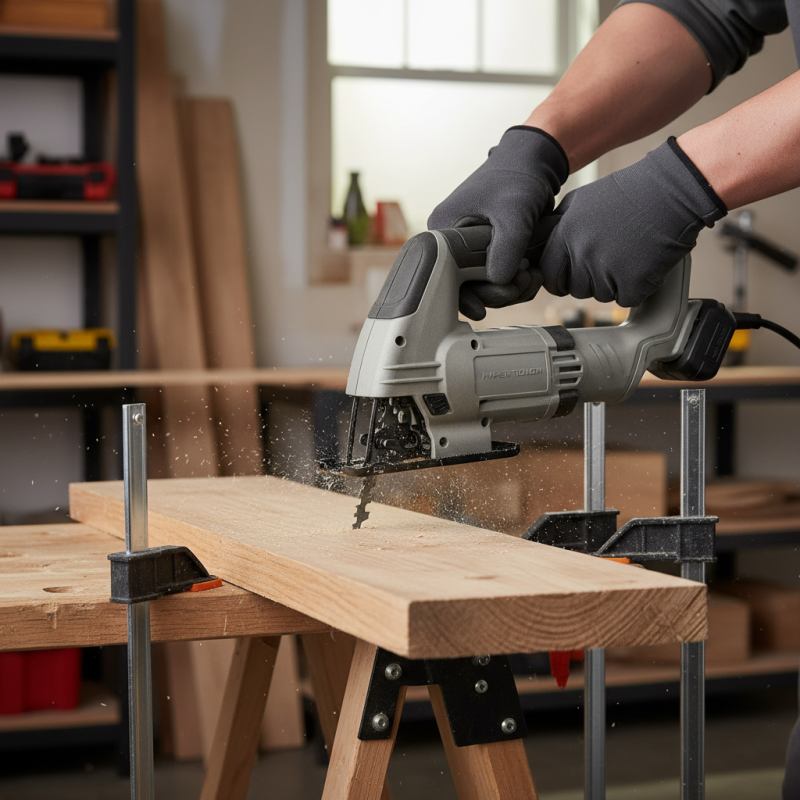
When cutting with saw saws, understanding the basics is crucial. These tools are designed for various cutting tasks, but technique makes all the difference. Proper grip and stance can lead to smoother cuts. A firm grip ensures better control. Stand with feet shoulder-width apart to maintain stability.
Tips for efficient cutting include measuring twice before you cut. Precision matters. Use a straight edge as a guide. Not lining up correctly can lead to wasted materials. Practice on scrap wood if you're unsure. Safety should always be a priority. Wear protective gear to prevent injuries.
Also, ensure the blade is suitable for the material. Different materials require different blades for optimal cutting. Sometimes, you might rush and use the wrong one. This can damage both the saw and the material. Check your equipment regularly. It’s easy to overlook this, but a well-maintained saw performs better. Always consider how each cut impacts your project.
Using a saw saw can be hazardous. Statistics show that injuries in woodworking often arise from improper technique. According to the U.S. Consumer Product Safety Commission, nearly 31,000 injuries each year are linked to saw usage. Therefore, safety precautions are essential.
Always wear protective gear. This includes goggles, gloves, and ear protection. These items can significantly reduce the risk of injury. Additionally, a secure grip is crucial. Maintain a firm hold on the handle while working, and ensure your stance is stable. Position your body to avoid any accidental slips.
Check your equipment before use. Ensure the blade is sharp and correctly mounted. A dull blade can cause the saw to bind, increasing the risk of accidents. Also, maintain a clean workspace. Clutter can distract you and lead to dangerous situations. Remember, safety should always be your top priority when cutting.
When it comes to cutting materials efficiently, the right techniques are essential. Many users underestimate the impact of blade sharpness. A dull blade can reduce efficiency by up to 30%. Keeping blades sharp is a straightforward way to improve performance. Regularly inspect your tools; it can save time and effort during projects.
Another aspect to consider is the speed of the saw. Using the right speed setting cuts smoother and faster. For instance, cutting dense materials demands a slower speed. This allows for better control and less strain on the tool. Studies show that adjusting speed can increase cutting precision by 25%. Always refer to material guidelines for optimal results.
Finally, considering the cutting angle can make a huge difference. A proper angle helps in making clean cuts. However, many users struggle with maintaining this consistently. Practicing different angles can lead to improved results. It’s important to remember that even small adjustments can greatly impact your cutting efficiency.
Maintaining your saw is crucial for optimal performance. Regular cleaning can prevent dust build-up, which affects cutting efficiency. Use a soft brush to remove debris from the blade and motor often. Studies show that a clean saw operates over 20% more efficiently. Check the blade regularly for dullness. A worn blade can lead to increased strain on the motor and incomplete cuts.
Lubrication is another key maintenance task. Proper lubrication reduces friction, which can wear down parts quickly. It’s advisable to apply lubricant according to manufacturer guidelines. Over-lubrication can attract more dust, creating a cycle of dirt and wear. Some pros even suggest keeping a maintenance log. Tracking usage and maintenance can help identify patterns.
Remember to store your saw in a dry place. Humidity can damage electrical components and rust metal parts. This simple habit can extend the lifespan of your tools significantly. Research indicates that properly maintained tools can last up to 50% longer. Regular checks and prompt repairs cut down on replacement costs. It's all about taking small steps for big savings.
| Cutting Technique | Description | Maintenance Tip | Frequency |
|---|---|---|---|
| Straight Cuts | Ideal for cutting wood in a straight line quickly and accurately. | Keep the blade sharp. | Every 10 uses |
| Curved Cuts | Useful for intricate designs and rounded edges. | Regularly check the tension of the blade. | Before each use |
| Plunge Cuts | Allows for cutting into the middle of a material without starting from an edge. | Lubricate moving parts periodically. | Monthly |
| Bevel Cuts | Creating angled cuts for joints and fittings. | Clean the base plate regularly to ensure accuracy. | After every major project |
Cutting effectively requires more than just a tool. Many users make mistakes that hinder performance. One common error is incorrect blade selection. Using the wrong blade can lead to jagged cuts. It can also cause the tool to overheat or bind. Knowing the right blade for the material is crucial.
Another mistake is improper cutting techniques. Holding the material securely is essential. Insecure pieces can shift, leading to inaccuracies. Users might rush the cut, but this can result in chipping or tearing. Taking your time ensures a cleaner finish.
Lastly, maintenance often gets overlooked. A dull blade won’t cut well and can be dangerous. Regularly check the condition of your blades. Keeping tools clean and well-maintained can make a significant difference. Reflect on your cutting habits. Are they aiding or hindering your projects? Making small adjustments can lead to better outcomes.
This chart illustrates the influential factors affecting cutting efficiency for saws. As observed, blade sharpness and maintaining the proper angle significantly enhance performance, while material type and cutting speed also play pivotal roles. Avoiding common mistakes related to feed rate can help improve overall cutting results.